Coyoacán sits in the south of the city, about ten kilometres from the Zócalo, but it feels like a different town. It was one, for most of its history. The name is usually explained as the place of coyotes, and after the fall of Tenochtitlan in 1521 Hernán Cortés based himself here while the Spanish rebuilt the city on the lake. Today it is a residential borough of low houses and cobbled streets, with a centre that fills with families every weekend.
Arriving: Viveros and the walk in
The nicest way to arrive is on foot through Viveros de Coyoacán. Get off Metro Line 3 at Viveros/Derechos Humanos and walk into the park, which began as a tree nursery in the early twentieth century and still grows plants for the city's streets. It is a long rectangle of shaded paths and rows of young trees, popular with runners in the early morning. Squirrels here are tame and bold, and people feed them, though it is better not to.
From the far side of Viveros, follow Avenida Francisco Sosa east. This is one of the oldest streets in the city, lined with colonial houses, walled gardens and small chapels, and it leads in about twenty minutes to the centre of Coyoacán. Walk slowly and look through the gates; some of the old houses are cultural institutes and you can step into their courtyards. Along the way, the small Plaza Santa Catarina and its yellow chapel make a quiet stop.
Jardín Centenario and Plaza Hidalgo
Francisco Sosa ends at an old stone arch, and through it lies the Jardín Centenario. In the middle is a fountain with two bronze coyotes, the borough's emblem and the most photographed thing in Coyoacán. The garden is ringed with benches and trees and, at weekends, with balloon sellers, families and street performers.
Next door, across a short street, is the larger Plaza Hidalgo, with a bandstand topped by an eagle and a long building on the north side that has housed local government since colonial times. Together the two squares make up the centre of the borough. Coyoacán is at its liveliest on Saturday and Sunday afternoons, when musicians, dancers and clowns compete for an audience. Weekday mornings are the opposite: calm enough to sit and listen to the church bells.
Coyoacán is at its liveliest on Saturday and Sunday afternoons, when musicians, dancers and clowns compete for an audience.
If the plazas are too busy, walk a few blocks southeast to the Plaza de la Conchita, a small square of trees around a little sixteenth-century chapel with a carved stone front. Local legend links a red house on the corner with Cortés and Malinche, his interpreter and companion; historians doubt it, but the story has stuck. The streets between here and the centre, such as Higuera and Vallarta, are lined with old one-storey houses painted in deep reds, ochres and blues. On the east side of the centre, the Museo Nacional de Culturas Populares holds changing exhibitions on crafts, music and festivals from across the country.
The parish church of San Juan Bautista
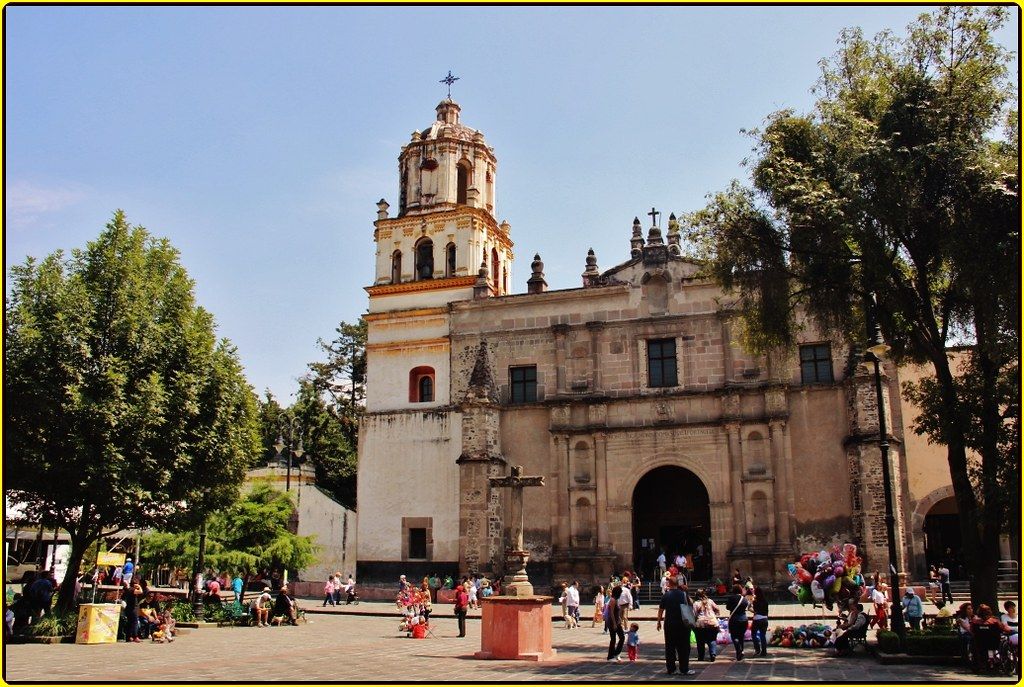
The south side of the Jardín Centenario is closed by the Parroquia de San Juan Bautista, founded by Dominican friars in the sixteenth century and rebuilt and added to over the following centuries. Its atrium is a big walled yard of trees, and the church inside is heavy with gilding and painted ceilings. It is a working parish, so dress modestly, keep your voice down and avoid wandering during Mass. Weddings and baptisms are common on weekends, and you may see families coming out into the atrium in their best clothes. 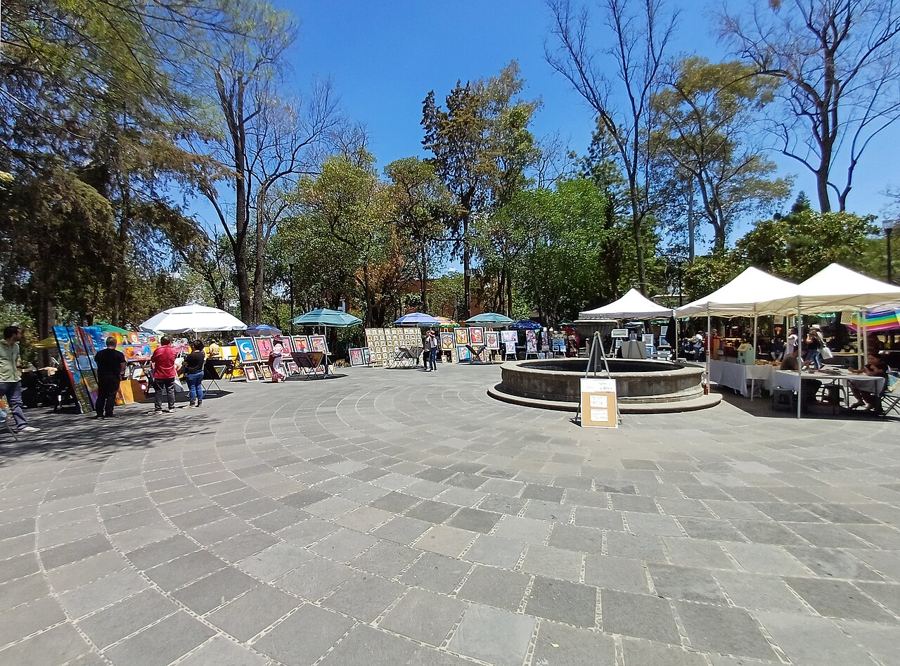 Transfer to station 1·04San Ángel on a Saturday
The Frida Kahlo Museum
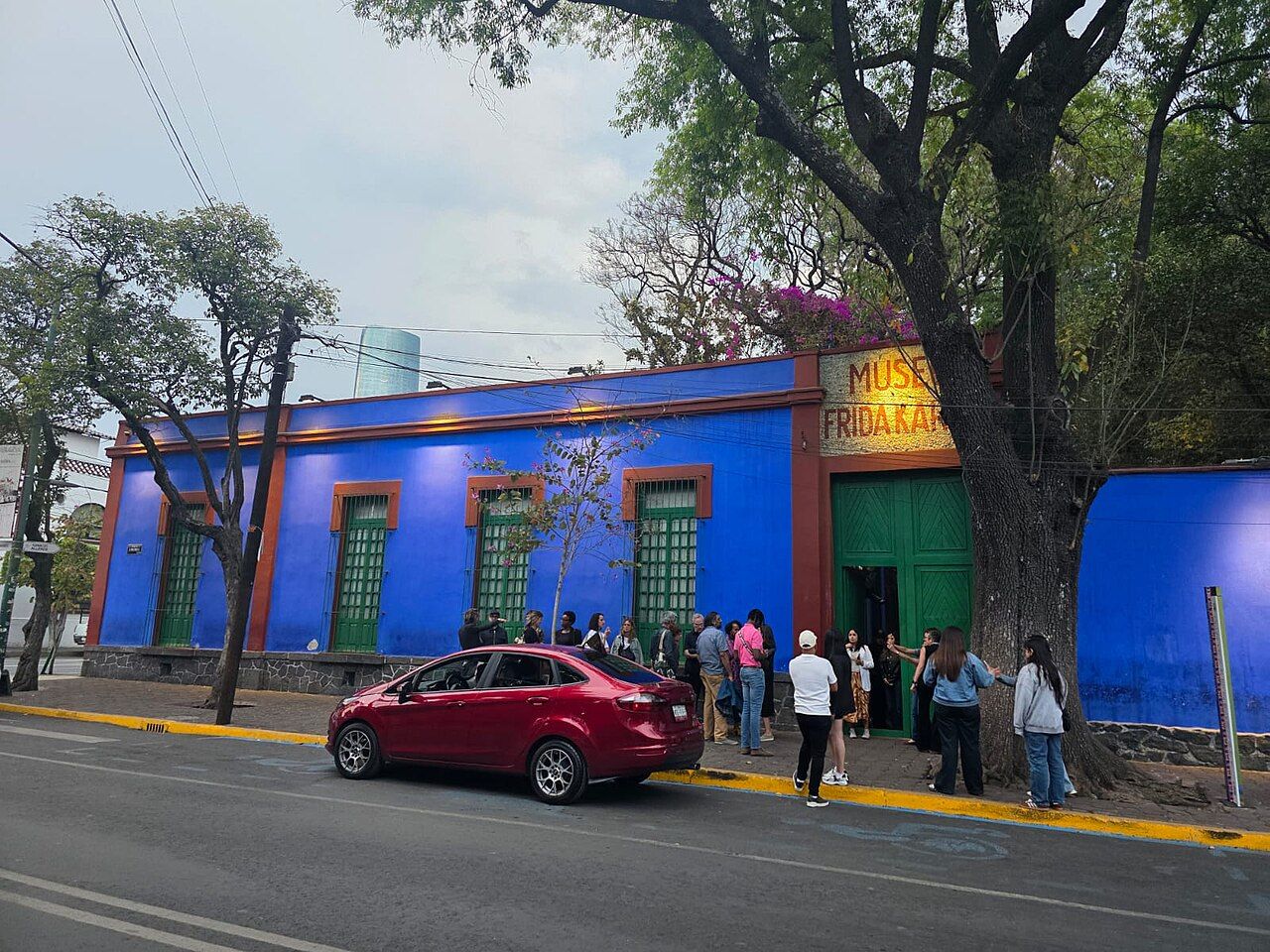
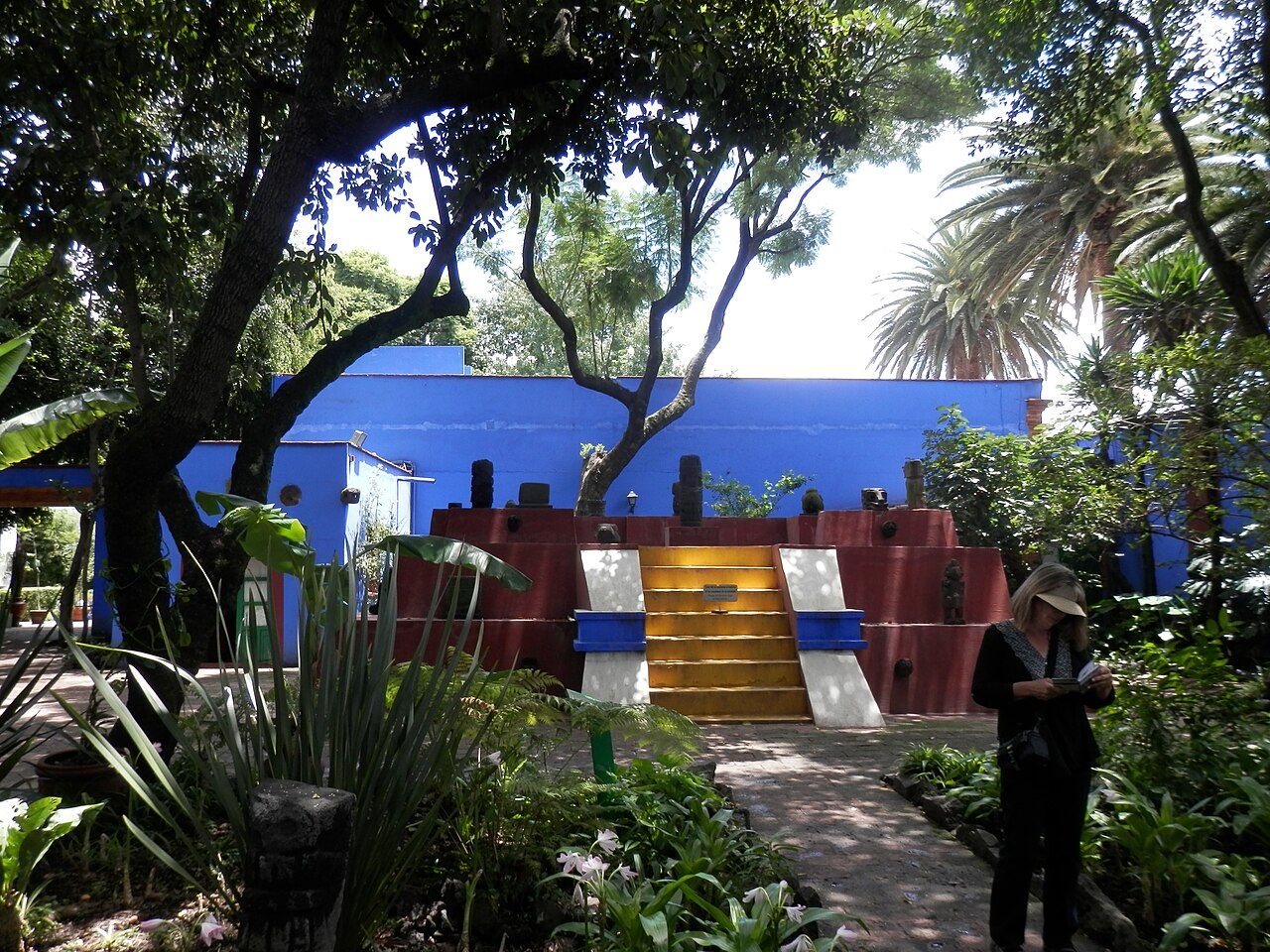
Six blocks north of the plazas, on the corner of Londres and Allende streets, stands the blue house where Frida Kahlo was born, grew up, lived with Diego Rivera and died. Known as the Casa Azul, it is now the Frida Kahlo Museum, and it is the most popular sight in Coyoacán by far. Inside you see her paintings, her studio with its easel and wheelchair, the kitchen with its yellow and blue tiles, the bedroom and the garden with its pyramid built to show off pre-Hispanic sculpture. A separate exhibition shows her clothes and the corsets and medical supports she wore after the accident that marked her life.
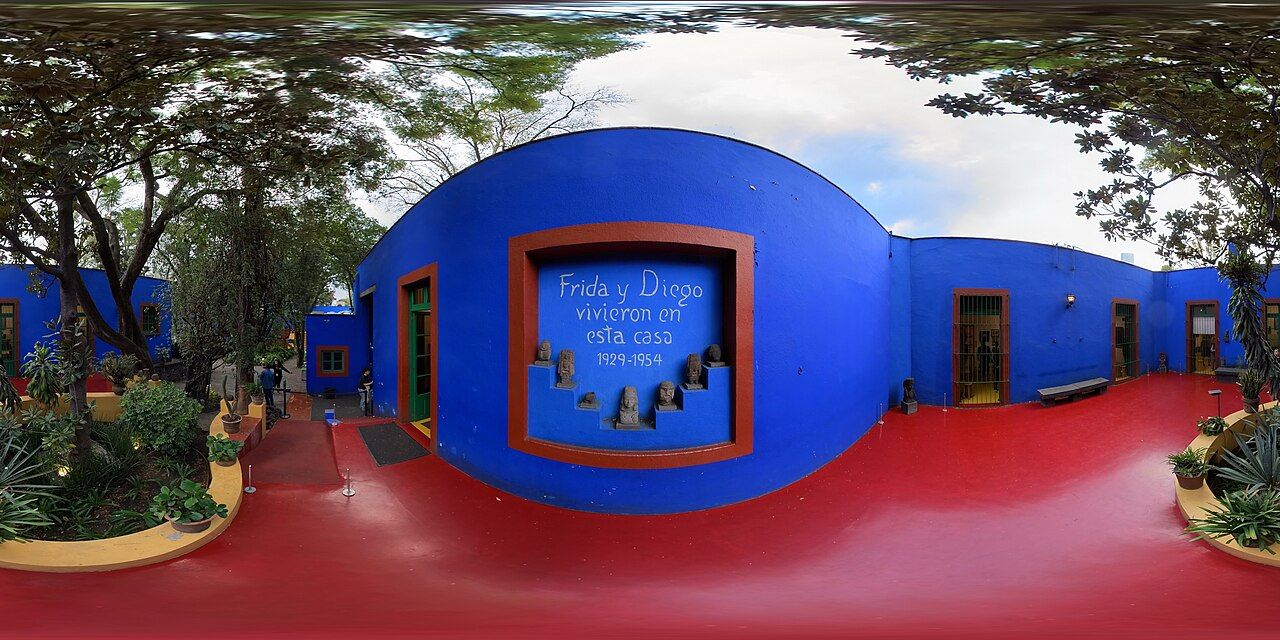
The museum uses timed entry, and tickets are sold online, often well in advance, especially for weekends and holidays. It is closed on Mondays. Rules on photography have changed over time and there may be an extra charge to take pictures. Arrive a little before your slot; the queue for ticket holders is separate from the queue of people hoping for a cancellation.
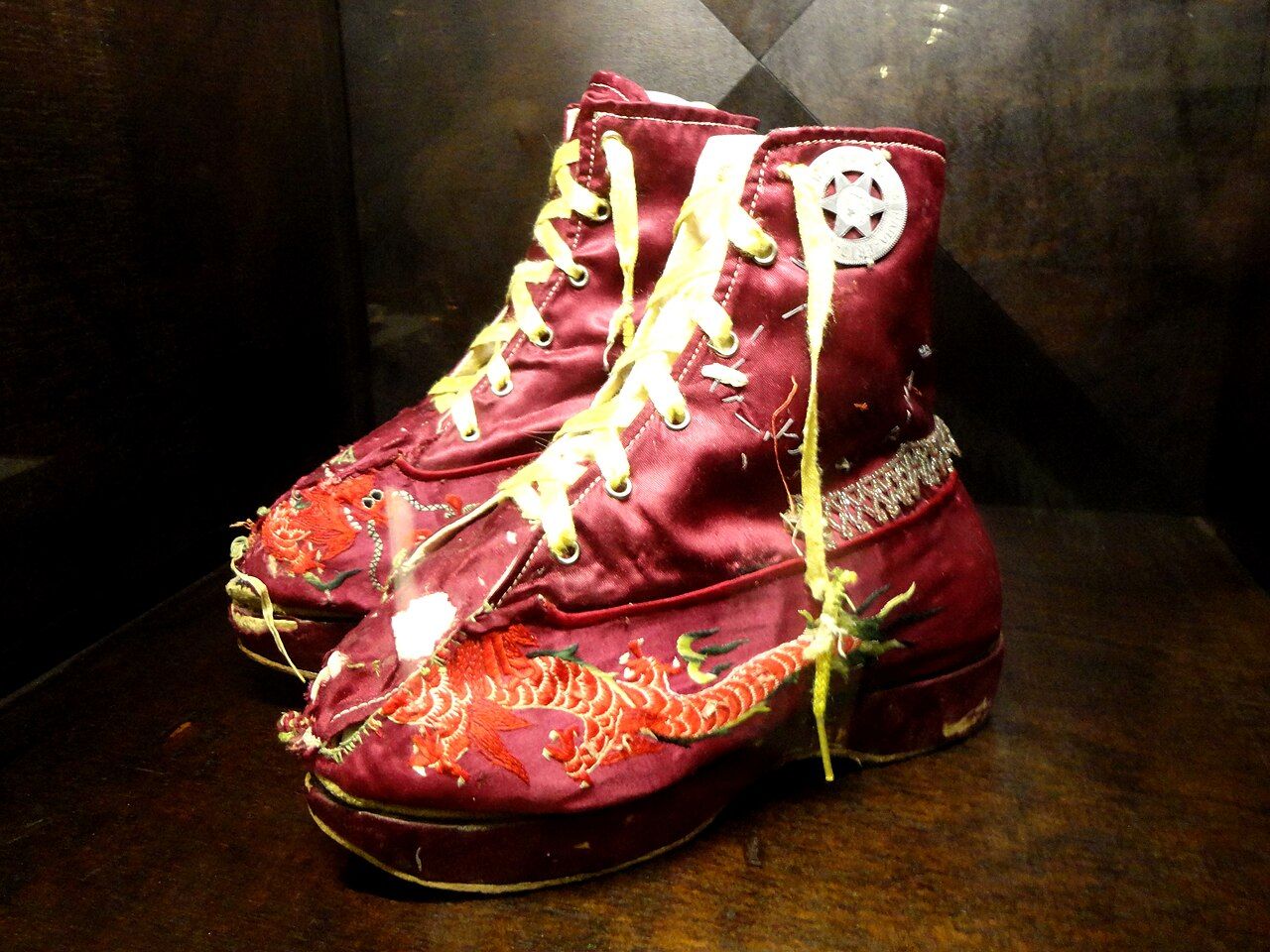
If you are interested in Kahlo and Rivera, plan this together with their house-studios in San Ángel, a short taxi ride west, and the murals in the Centro Histórico.
Trotsky's house
A ten-minute walk northeast of the Casa Azul, on a quiet street close to the busy Río Churubusco avenue, is the Leon Trotsky House Museum. Trotsky, exiled from the Soviet Union, came to Mexico in 1937, first as a guest of Kahlo and Rivera in the blue house, then here, in a house his supporters fortified with high walls, watchtowers and steel doors. In 1940 he survived a machine-gun attack on the bedroom, whose bullet holes you can still see, and a few months later he was killed in his study by an agent sent by Stalin.
The house has been kept much as it was: the bedroom, the kitchen, the study with his books and papers, the rabbit hutches he kept in the garden. His ashes lie under a simple monument in the garden. It is a sober, quiet place and a strong counterweight to the colour of the Casa Azul. Like most museums in the city it closes on Mondays.
Pacing your day
A full day lets you do Coyoacán properly: Viveros and Francisco Sosa in the morning, the plazas and church around midday, the Frida Kahlo Museum at your booked time, and Trotsky's house later in the afternoon. If you are short of time, skip Viveros and take a taxi or a ride-hailing car straight to the centre, but do not try to fit Coyoacán and Xochimilco into one rushed day; both deserve better.
Coyoacán is generally relaxed and easy to walk. Pavements are narrow and uneven, and the weekend crowds in the plazas are where you should watch your phone. Metro Line 3 runs back north to the centre from Coyoacán and Viveros stations, and a taxi or a ride-hailing app is simple to find near the plazas after dark.