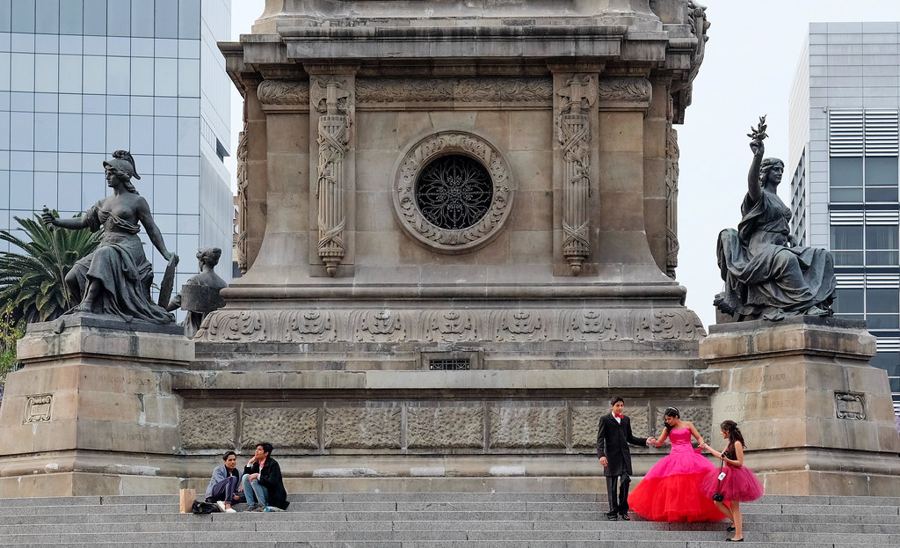
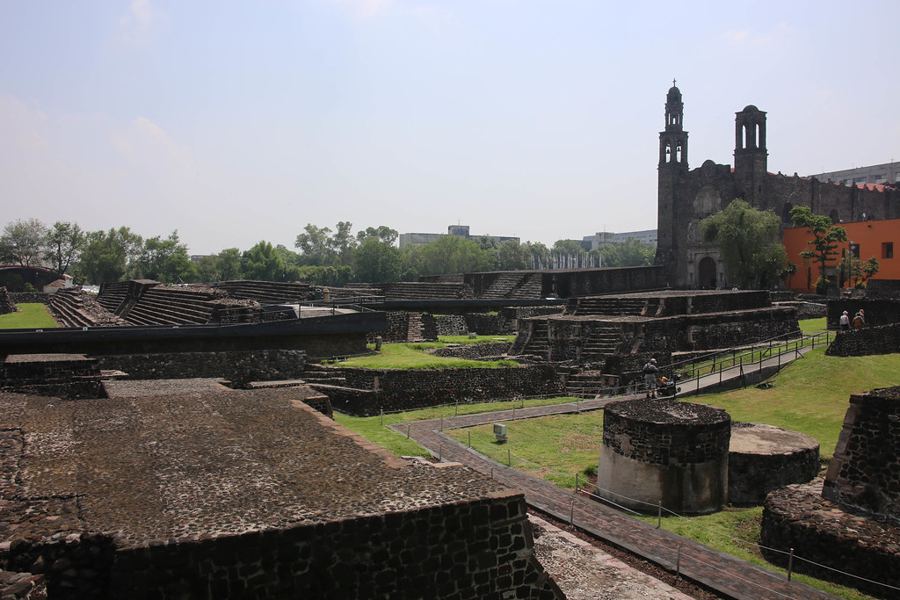
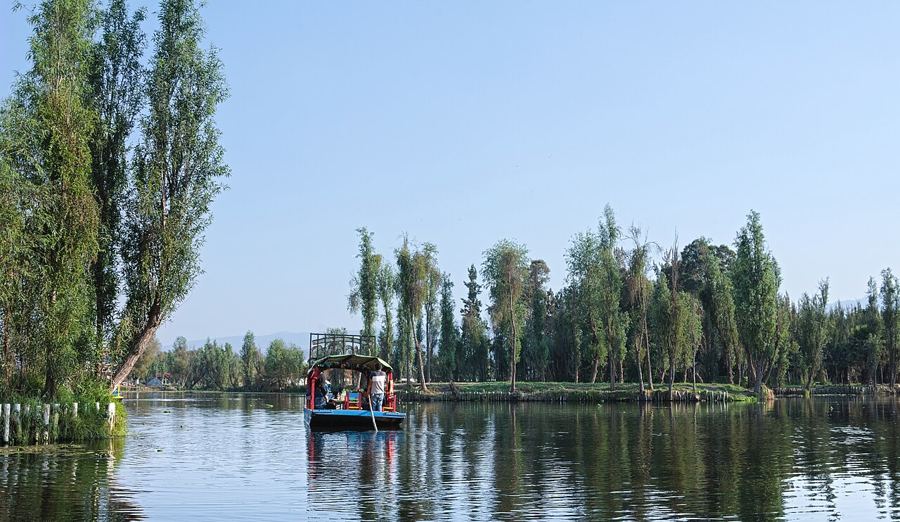
1. Centro
  2. Roma-Condesa
  3. Coyoacán
  4. San Ángel
  5. Chapultepec
  6. Reforma
  7. Tlatelolco
  8. Xochimilco
  9. Antropología
  10. Bellas Artes
  11. Murales
  12. CU
  13. Barragán
  14. Teotihuacán
  15. La Villa
  16. Puebla
  17. Tepoztlán
  18. Metro
  19. Altitude
  20. First week
CentroAntropologíaTeotihuacánXochimilcoCoyoacán
Roma and Condesa

DF Guide for Gringos

Mexico City for first-timers: where to walk, what to see, how to ride, and the small things nobody tells you until you have already got them wrong.

Locals still call it el DF, the Distrito Federal, even though the official name changed to Ciudad de México in 2016. It is huge, high and far easier than its reputation. These pages are laid out like the Metro: four lines, twenty stations, each one a neighbourhood, a museum, a day out or a piece of city sense, with the nearest stop and the time it deserves.

Start here, in this order

  1. Your first week in the DF
  2. Riding the Metro and Metrobús
  3. Altitude, air and earthquakes
  4. The Centro Histórico, from the Zócalo out
  5. The National Museum of Anthropology in one visit
  6. Roma and Condesa on foot
  7. Coyoacán, the old village in the city
  8. Teotihuacán early

1Colonias, block by block

Eight neighbourhoods and districts, from the Zócalo to the canals of Xochimilco, walked one at a time.
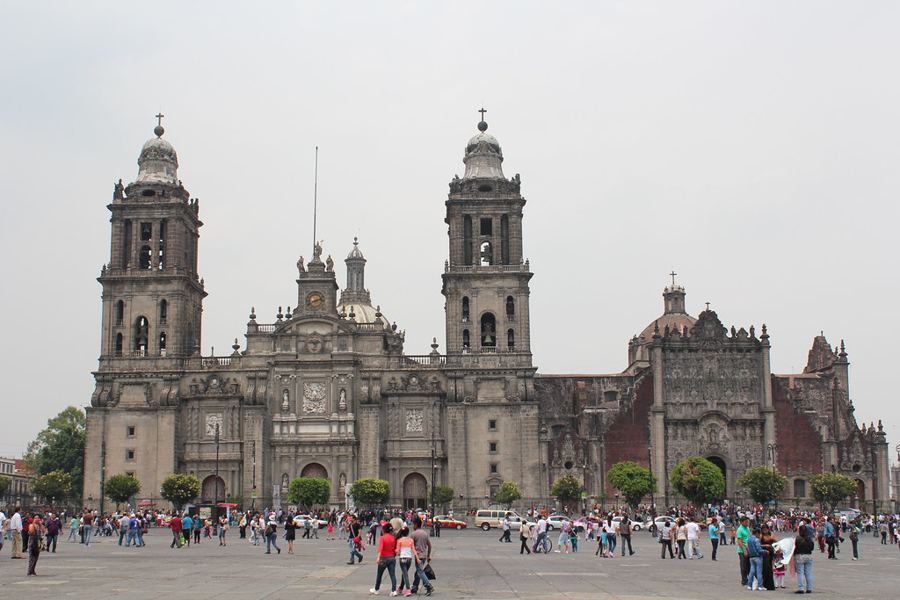
Station 1·01 · A full dayThe Centro Histórico, from the Zócalo outOne of the largest squares in the world, an Aztec temple dug out from under the street, a cathedral that leans and a pedestrian street that never…
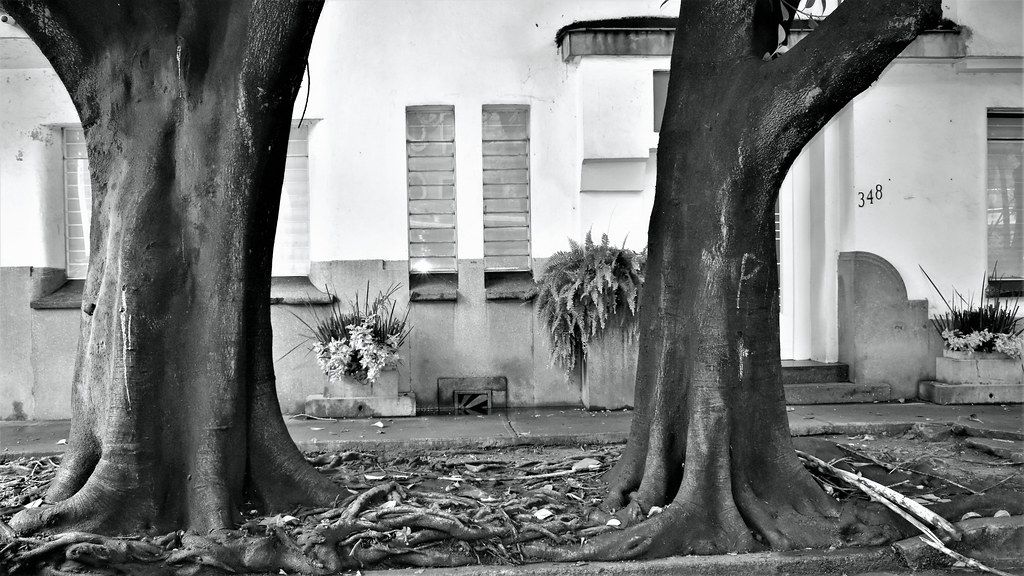
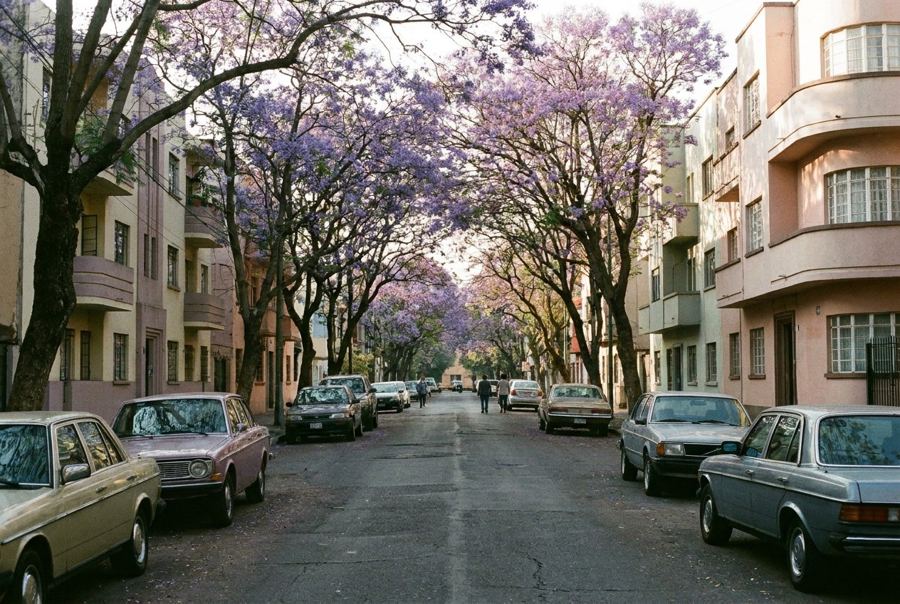
Station 1·02 · Half a dayRoma and Condesa on footTwo neighbouring colonias of tree-lined avenues, Porfirian mansions and art deco apartments, built on old ranch land and an early racetrack. A slow…
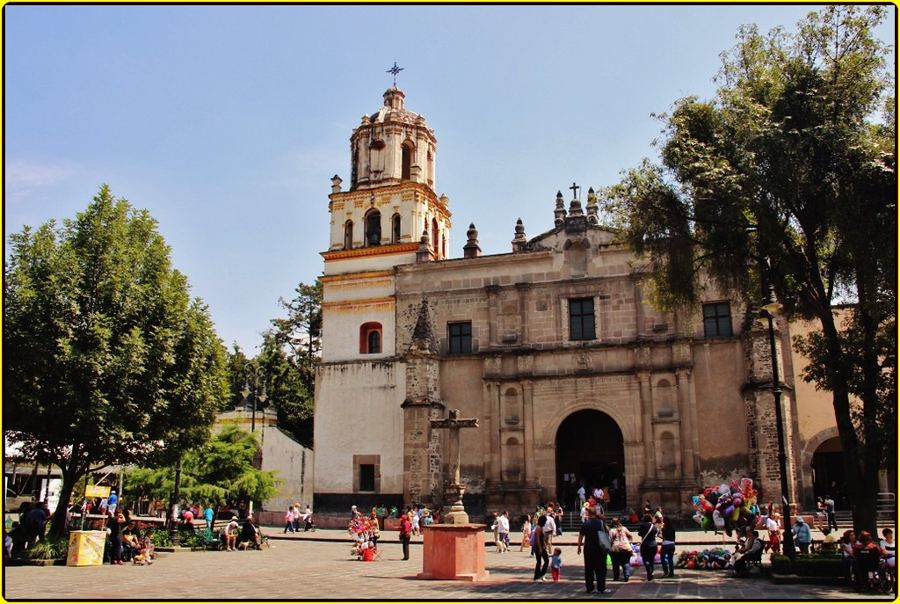
Station 1·03 · A full dayCoyoacán, the old village in the cityCoyoacán was a separate town long before the city swallowed it. Cobbled streets, two shady plazas, an old parish church and two houses that tell big…
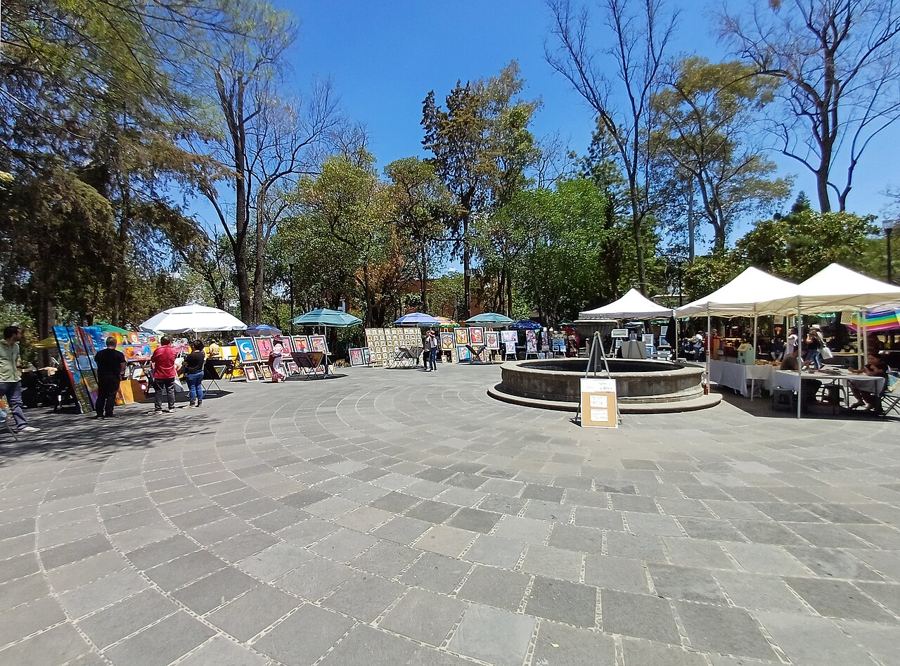
Station 1·04 · Half a daySan Ángel on a SaturdayA former village of cobbles, walled gardens and old convents in the south of the city, with a Saturday art fair and two modernist houses built for…
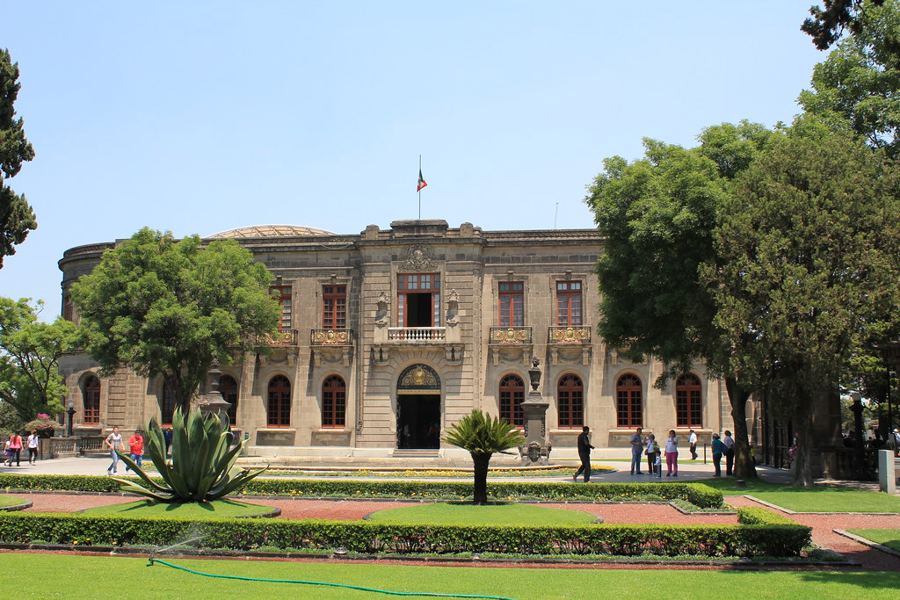
Station 1·05 · A full dayChapultepec, the city's forestMexico City's great park climbs over a rocky hill crowned by a castle, wraps around lakes and museums and stretches far beyond where most visitors…
Station 1·06 · Half a dayReforma and JuárezMexico City's grand avenue runs from Chapultepec toward the Centro past monuments, towers and roundabouts, with the mansions of Colonia Juárez just…
Station 1·07 · An hour or twoTlatelolco and the Plaza of the Three CulturesPyramid stones, a colonial church and modernist apartment blocks share one plaza north of the Centro. It is also where Mexico remembers 1968 and…
Station 1·08 · Half a dayXochimilco beyond the party boatsThe last big remnant of the lakes that once filled the valley: canals, floating farm plots and painted boats. Go early, choose your embarcadero and…

2Museums and murals

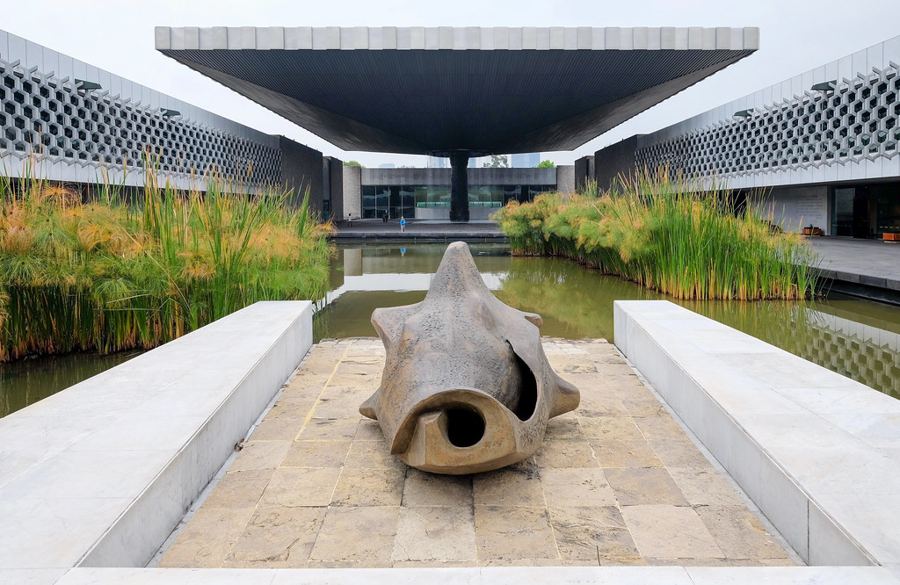
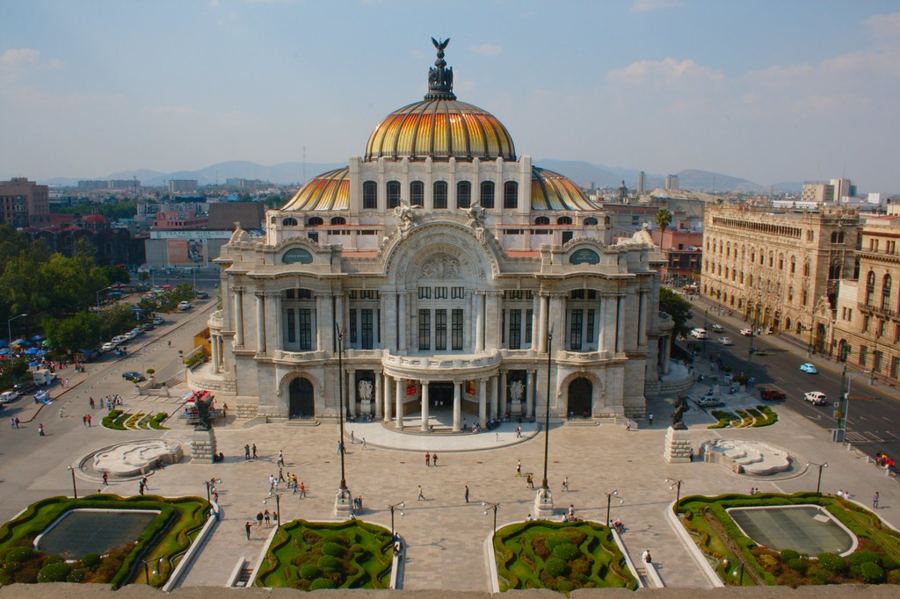
The anthropology museum, Bellas Artes, the mural courtyards of the Centro, the university campus and Barragán's houses.
3Day trips out of the DF

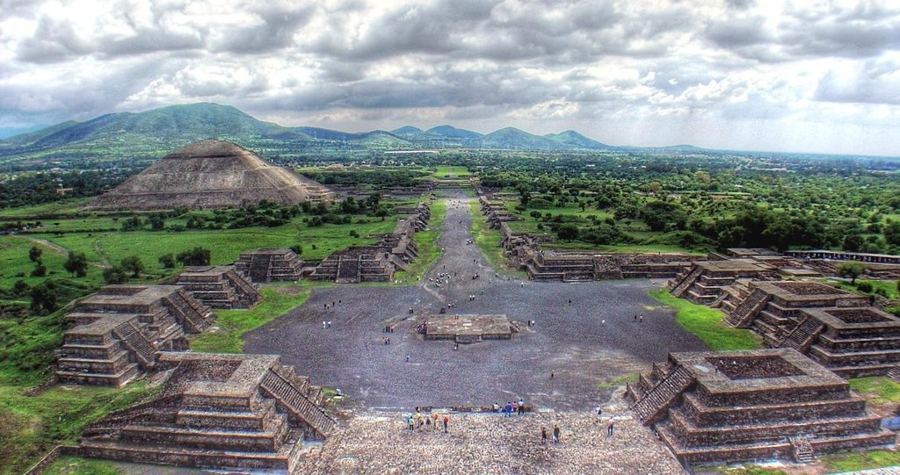
Teotihuacán, the Basilica of Guadalupe, Puebla and Cholula, and Tepoztlán under its cliffs.
4City sense

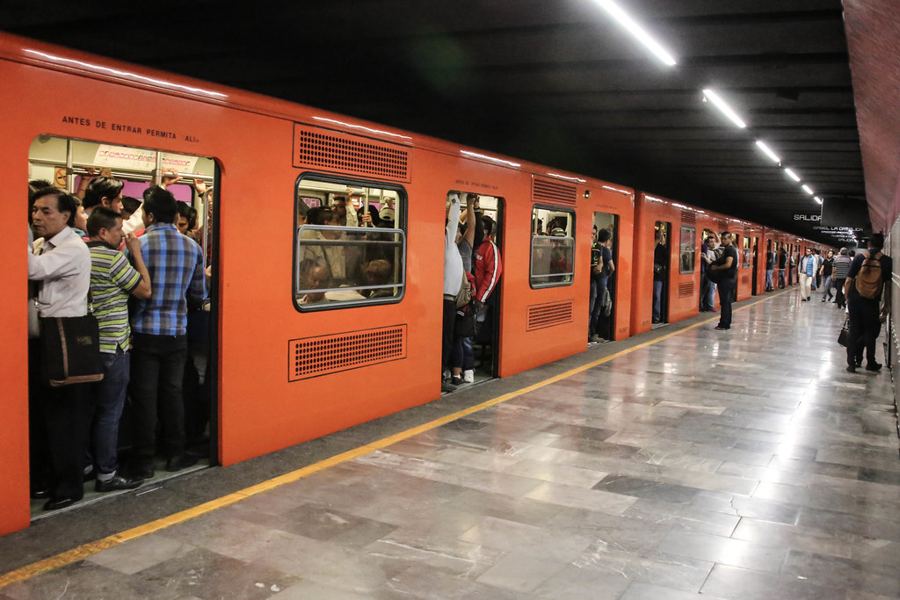
Riding the Metro, living at 2,240 metres with earthquakes and smog alerts, and the first week in the city.
Before you ride

  • The city sits at 2,240 metres: take the first day slowly and drink plenty of water.
  • Many museums close on Mondays, and Sunday brings free entry for residents and big crowds.
  • When the seismic alert wails from street speakers, leave the building calmly if you can do so quickly, or move away from windows.
  • Tap water is not for drinking; bottled or filtered water is everywhere.
  • Carry small notes and coins; many small places do not take cards.
  • Rush-hour Metro trains are packed: keep your phone and wallet in front of you.