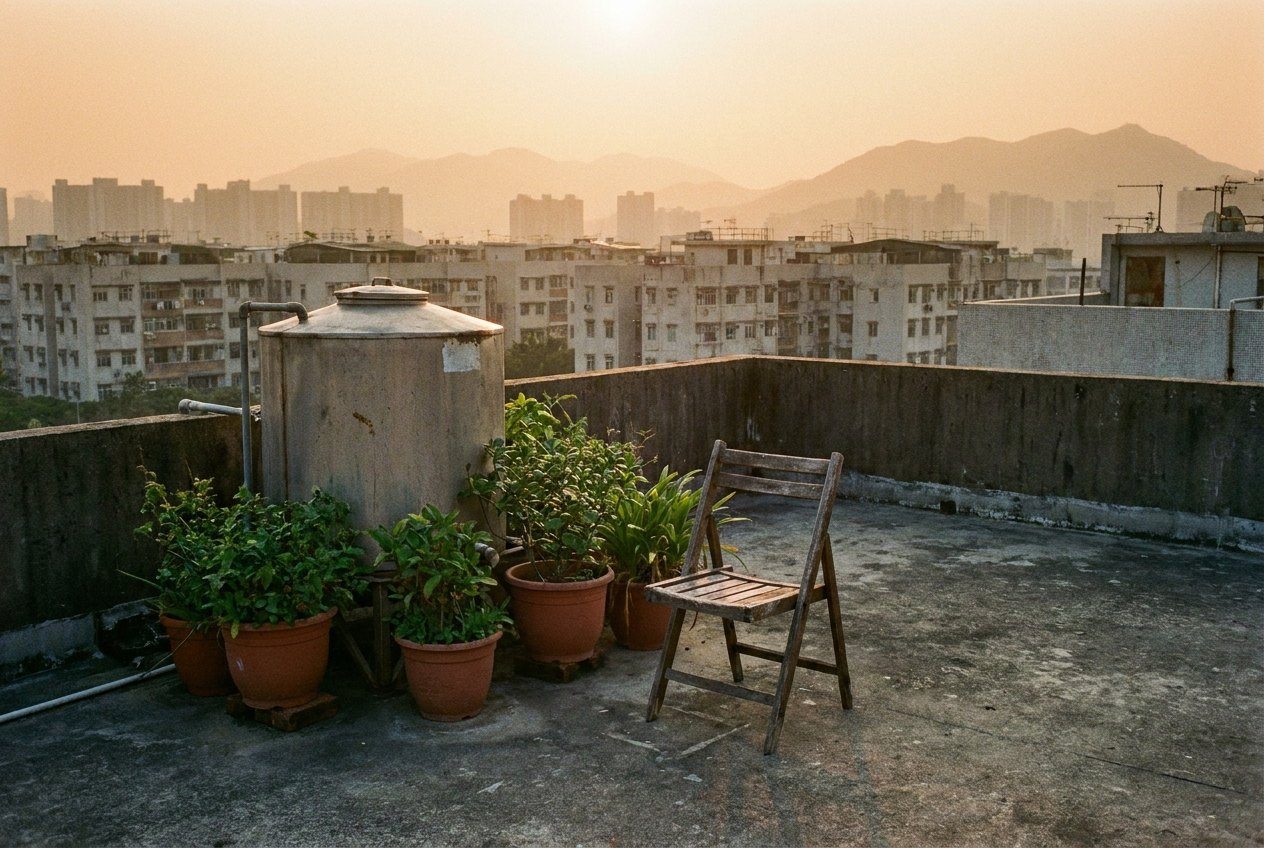
The city spreads across the floor of the Valley of Mexico, a high basin closed in by mountains and volcanoes. Most of it is built on the bed of the lakes that once filled the valley, drained over centuries since the Spanish conquest. Three facts follow from that: you are high, the air can get trapped, and the ground shakes in an unusual way. None of them should put you off. Knowing what to expect makes the first days easier and the rare alarm less frightening.
2,240 metres: the first days
Mexico City lies at about 2,240 metres above sea level. Most visitors feel nothing worse than shortness of breath on stairs, a light headache, poor sleep the first night or two, and a strange tiredness. Alcohol hits harder at this height, and the sun burns faster.
Give yourself an easy first day or two. Walk rather than run, drink plenty of water, go easy on alcohol, and do not plan a steep climb or a long day in the sun for your first morning. Most people adjust within a few days. If you have heart or lung conditions, or have had altitude sickness before, talk to a doctor before you travel. Severe headache, confusion or breathlessness at rest are reasons to get medical help rather than wait.
Day trips can take you higher or lower. Teotihuacán lies at a similar height in full sun, while Tepoztlán lies lower and warmer, and the road there crosses a pass well above the city.
The air: ozone and alerts
The city's air was famously bad in the 1980s and early 1990s, and it has improved a great deal since then. It is still not clean. The mountains around the valley can trap pollution, especially on still, sunny days, and the main problem today is ozone, which forms in strong sunlight and peaks in the afternoon. Fine particles from traffic and industry add to it, and in the dry months dust and smoke from fires can turn the sky hazy.
The city runs an air-quality index and declares environmental contingencies on bad days. When it does, extra limits are placed on driving, and people are advised to avoid strenuous outdoor exercise, especially in the afternoon. Look out for the index on public screens and news, and check it on days when you plan to run or climb. If you have asthma or a lung condition, carry your usual medicine and keep exercise to the mornings on bad days.
On clear days, often after rain or in the winter months, the volcanoes Popocatépetl and Iztaccíhuatl appear on the southeastern horizon, snow-capped and close. It is one of the best sights in the city, so look up.
Dry season and rainy season
The city has two seasons that matter more than summer and winter. The dry season runs roughly from November to April or May: sunny days, cool nights, and in December and January, mornings that can be cold enough for a jacket. Late spring, from March to May, is the warmest and often the haziest time of year.
Rain arrives in the DF around June and usually hangs on into October. Mornings are usually fine, but clouds build through the day and heavy storms, sometimes with hail, often arrive in the afternoon or evening. Streets can flood quickly, and traffic slows to a crawl. 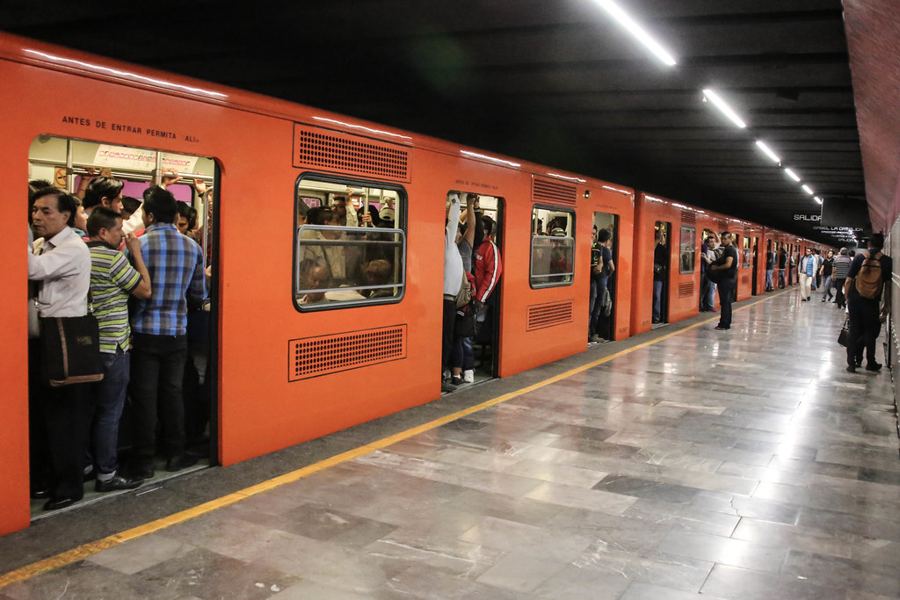 Transfer to station 4·01Riding the Metro and Metrobús Plan outdoor sights for the morning, carry a light rain layer, and do not be surprised if your afternoon walk turns into a museum visit.
Temperatures are mild all year at this height. The sun is strong in every season, so a hat and sunscreen are worth packing whatever the month.
Why the ground shakes here
Mexico sits where several tectonic plates meet, and large earthquakes are common along the Pacific coast and in the south of the country. Mexico City is far from the coast, but its soft lakebed clay amplifies the shaking from distant quakes, making it last longer and hit tall buildings harder than on firm ground.
Two disasters shaped the city. On 19 September 1985, a magnitude 8.1 earthquake off the Pacific coast brought down hundreds of buildings in the capital and killed thousands of people; the true number is still debated. Ordinary people dug through the rubble when official help was slow, and the experience changed the city's politics. Building codes were tightened and the seismic alert system was created in the years that followed.
Then, on 19 September 2017, on the anniversary of the 1985 disaster and hours after a commemorative drill, a magnitude 7.1 earthquake struck closer to the city, in the states to the south. Dozens of buildings collapsed in the capital, many of them in Roma, Condesa and the south of the city, and hundreds of people died across central Mexico. Volunteers again poured into the streets. Today, a national drill is usually held on or around 19 September each year.
When the seismic alarm sounds
The alerta sísmica is an early warning system. Sensors near the coast detect a large earthquake and send a signal to the city, where loudspeakers on poles across the streets play a rising siren and a voice repeating the words alerta sísmica. Depending on where the quake starts, the warning can come seconds to about a minute before the shaking arrives. Mobile phones may also receive alerts. The speakers are tested regularly, and the tests are announced as such.
If you hear it, stay calm and act at once. The general advice is:
- If you are on the ground floor or a low floor and can get out quickly, leave the building calmly and move to an open space away from walls, glass, poles and cables.
- If you are higher up, do not run for the stairs. Move away from windows and go to a marked safe zone, usually signed zona de seguridad, or drop, cover and hold on beside a solid wall or under sturdy furniture.
- Never use lifts during an alert or a quake.
- Follow the people around you and any staff; residents have practised this many times.
- After the shaking stops, leave by the stairs if the building is damaged, and stay out of damaged buildings.
Take a moment when you arrive at your lodging to find the stairs and the nearest open space. It costs nothing and makes the alarm far less stressful. The guide to your first week in the DF covers the rest of what is worth knowing early.