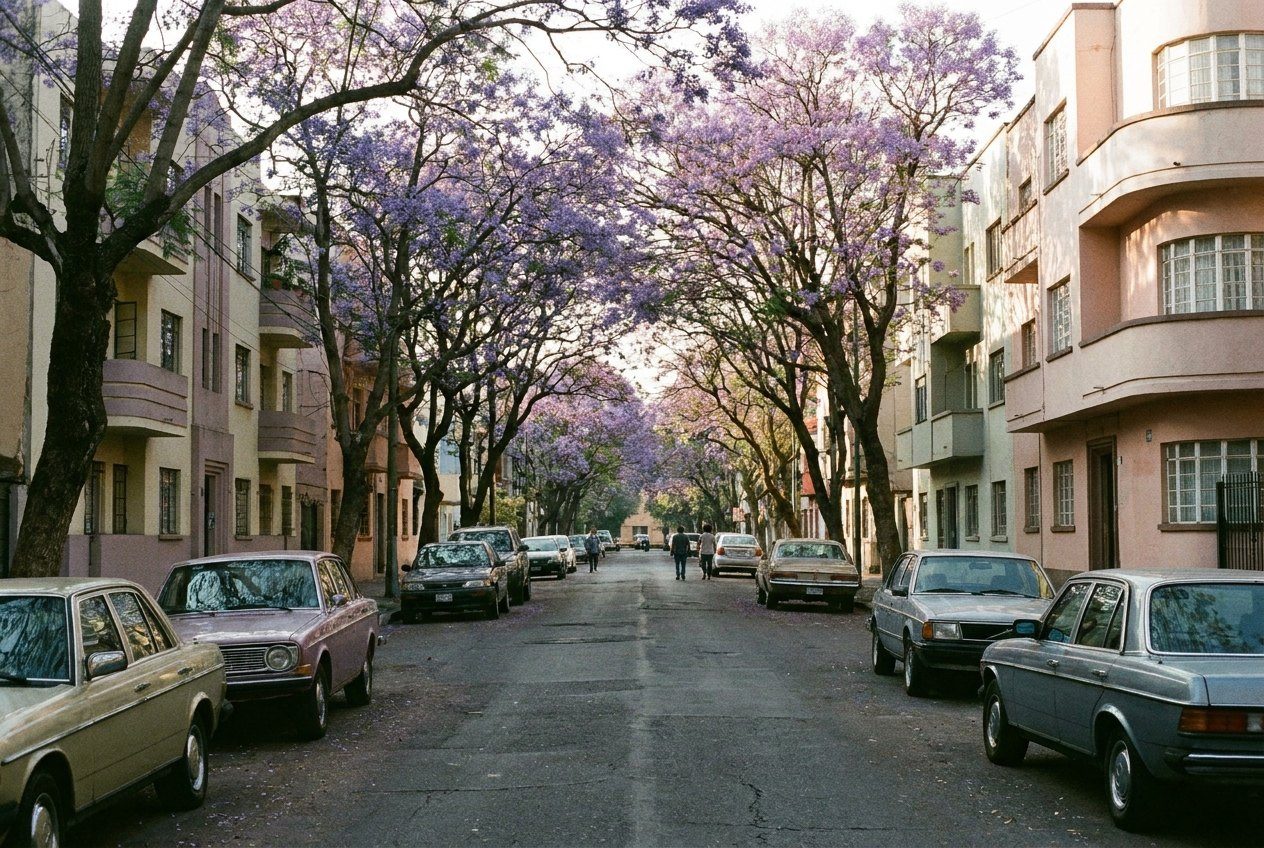
Mexico City is huge, busy and friendly, and most first-time visitors find it easier than they expected. A few basic habits make a big difference in the first days: knowing how to pay, what to drink, how to get around and how the city's week works. Here is what is worth knowing before and soon after you land.
DF or CDMX?
For most of the twentieth century the capital was the Distrito Federal, the Federal District, and everyone called it the DF, said as de efe. In 2016 the district became Mexico's thirty-second federal entity under the name Ciudad de México, and the official short form is now CDMX. You will see CDMX on signs, number plates and official buildings.
Many people, especially those who grew up with it, still say the DF, and outside the capital people often just say México when they mean the city. People from the capital are called chilangos, a word that can be affectionate or teasing depending on who says it. Use whichever name you like; nobody will mind.
Money and cards
The currency is the Mexican peso. Cards are widely accepted in larger businesses, museums and supermarkets, and contactless payment is increasingly common, but cash is still needed for small purchases, market stalls, tips, public toilets and many taxis. Keep a mix of small notes and coins, since change for large notes is often short.
Use cash machines inside banks or shopping centres during the day rather than standalone machines on the street, and cover the keypad. When a machine or card terminal offers to charge you in your home currency, choose pesos; the conversion offered is usually worse. Tell your bank you are travelling, and carry a backup card separately from your main one.
Water and health
Do not drink tap water. Most locals do not either: homes and businesses use large refillable bottles called garrafones, and many places to stay provide filtered water. Bottled water is sold everywhere. Brushing your teeth with tap water is a matter of personal comfort; many visitors use bottled water to be safe.
Ice in established places is normally made from purified water. Most stomach trouble in the first week comes from changes in routine as much as anything else, so ease in, wash your hands often and carry hand gel. Pharmacies are everywhere and often have a doctor's consulting room next door for minor problems. The altitude and the sun are the other things that catch people out; the guide to altitude, air and earthquakes covers both.
Tipping
Tipping is normal and expected in many situations. At sit-down places, a tip of around ten to fifteen percent is customary, left in cash or added when you pay by card; check whether service has already been included on the bill. Small tips are usual for people who carry bags, guides at the end of a tour, and the attendants who pack your shopping at supermarket tills. Taxi drivers are not usually tipped, though rounding up is appreciated.
At petrol stations, attendants fill the tank for you, and a small tip is customary for extras like cleaning the windscreen. 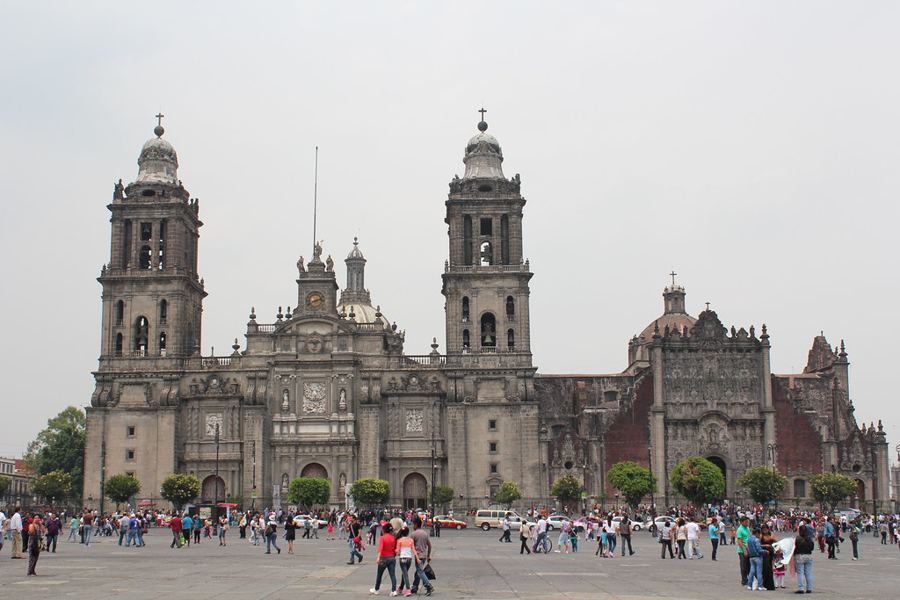 Transfer to station 1·01The Centro Histórico, from the Zócalo out If you are not sure, a small amount given with a thank you is never wrong.
Getting around and staying sensible
The Metro and Metrobús are cheap and fast for most daytime trips; the guide to riding them explains how. For other trips, use a ride-hailing app or a licensed sitio taxi from an official stand rather than hailing a car on the street, especially at night. At the airport and bus terminals, buy a ticket for an authorised taxi at the official booth inside the building.
Mexico City is a big city with big-city problems, and most visits pass without trouble. Use the same sense you would at home. Keep your phone and wallet in front pockets in crowds, carry only the cash you need for the day, and leave passports in your lodging unless you need ID. Ask staff where you are staying which streets are pleasant to walk at night; the answer can change from one block to the next. Avoid showing off expensive jewellery or cameras, and if anyone demands your belongings, hand them over.
A good first base is a walkable area with parks and plenty of people on the street, such as Roma and Condesa, from which the rest of the city is easy to reach.
Spanish that helps
Many people in tourist areas speak some English, but a few words of Spanish go a long way, and politeness matters. Greet people when you walk into a shop, a taxi or a lift with buenos días or buenas tardes. Say por favor and gracias often. To get someone's attention, disculpe or perdón works better than a wave.
- ¿Cuánto cuesta? How much is it?
- ¿Dónde está el Metro? Where is the Metro?
- La cuenta, por favor. The bill, please.
- No, gracias. A polite and complete answer to anyone selling something.
- Ahorita. Literally right now, but in practice it can mean in a moment, later, or never. Take it lightly.
Mexican Spanish is warm and indirect. People often soften requests, and a plain no can sound rude, so you will hear and use many polite formulas. Even a clumsy attempt is usually met with kindness.
Sunday rhythms
The city's week has its own shape. On Sunday mornings, a long stretch of Paseo de la Reforma and other avenues closes to cars, and the roads fill with cyclists, skaters, runners and families. It is a good time to see the Reforma and Juárez area at its most relaxed. Parks are full of families, and museums are busy, since some offer free entry on Sundays to residents.
Many museums close on Mondays, so a Monday is a good day for walking a neighbourhood, a day trip or a rest. Through the week, mornings are usually clear and the afternoons busier, with rain in the wet season. Plan a gentle first day, one main sight each day after that, and leave room to sit in a plaza and watch the city go by. That is part of the trip too.