Luis Barragán was born in Guadalajara in 1902 and spent most of his working life in Mexico City, where he became the country's best-known modern architect. He won the Pritzker Prize, architecture's highest honour, in 1980. His own house and studio, in the old district of Tacubaya, was added to UNESCO's World Heritage List in 2004. It is small, quiet and easy to miss, and it changes the way many people see buildings.
A house that hides from the street
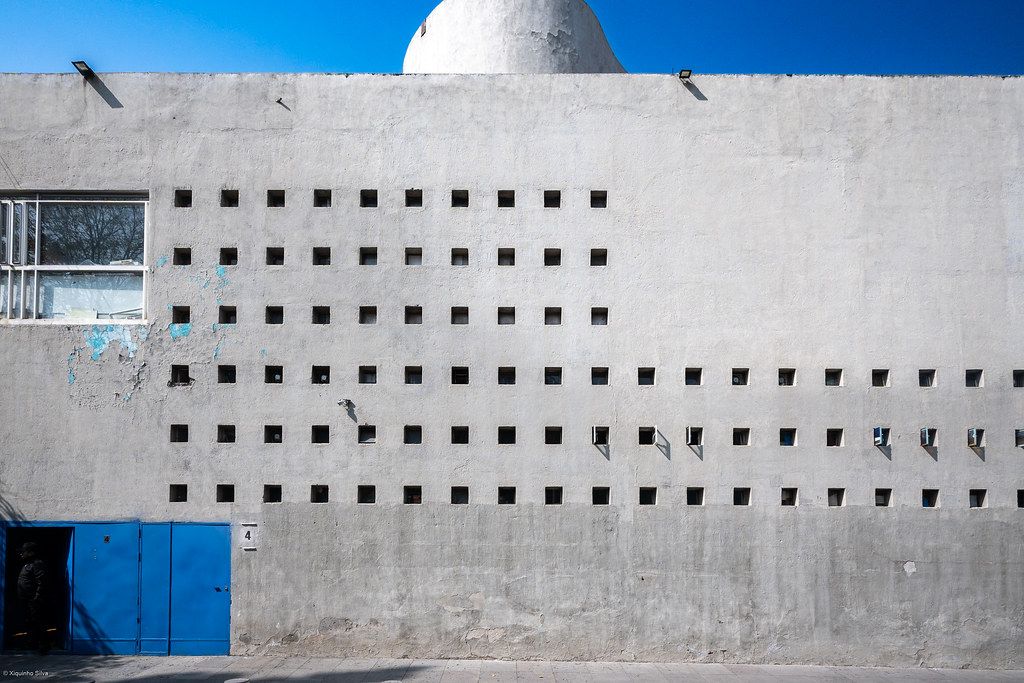
Barragán built the house in 1948 and lived there until his death in 1988. From outside it looks like almost nothing: a rendered wall in a modest street, a few windows, a plain door. That is deliberate. Barragán believed a house should protect its people from the noise of the city, and he turned his back to the street to make room for calm inside.
Inside, the rooms open into each other in unexpected ways. A low, dark entrance leads into a double-height living room with a huge window onto the garden, divided by a cross of frames. Stairs without handrails seem to float off the wall. In the library, a wooden staircase climbs toward a small door high in the wall, more like a sculpture than a way up. The furniture is simple, with wood, wool, rough plaster and stone, and the house still holds his books, paintings and religious objects much as he left them.
Colour and light
Barragán is remembered above all for colour. He used strong, flat tones, pinks, yellows, oranges and deep blues, on walls inside and out, drawn from the villages and markets of Mexico rather than from the white walls of European modernism. In his house the colour often appears where you least expect it, glowing at the end of a passage or on a single wall lit from above.
He handled light with the same care. Windows are placed to throw a beam across a floor at a certain hour, or to fill a room with reflected gold from a painted panel. On a guided visit you see how the mood of each room shifts as you move, from shadow to brightness and back. It is worth going on a sunny morning if you can choose.
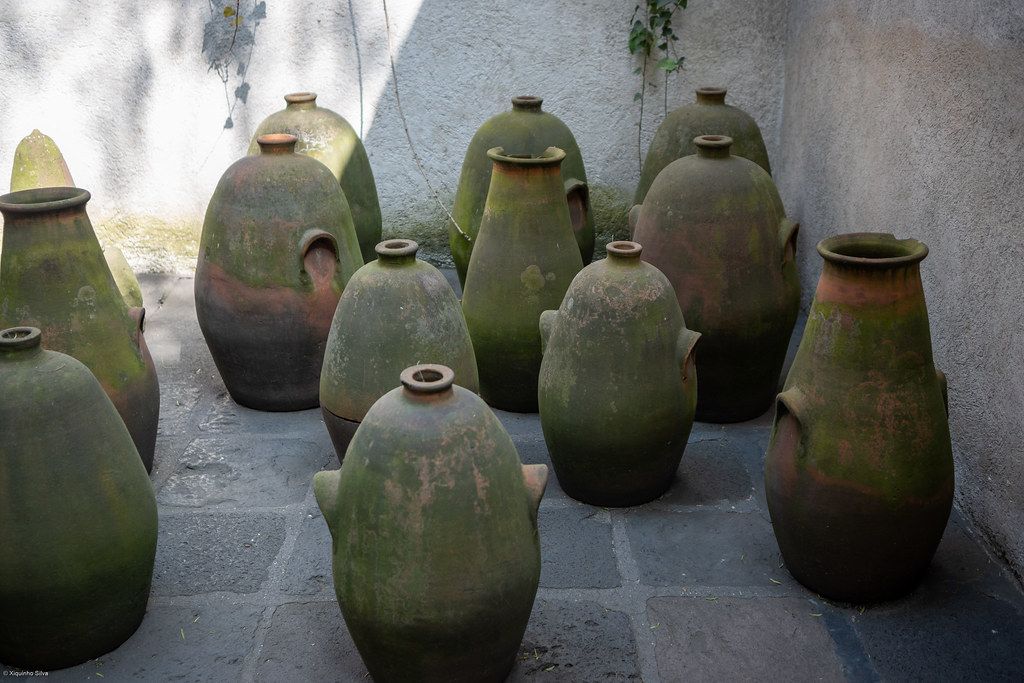
The garden behind the house was left to grow half wild, with tall trees and climbers, and a roof terrace is closed in by high walls in colours that frame only the sky. Clay jars, rough stone and water appear throughout, the materials of old Mexican haciendas and convents that he loved as a child in Jalisco.
How to visit
The house is run as a museum and shown only on guided visits, in small groups, booked in advance by appointment. Visits in English are offered on some days, and the slots fill quickly, often weeks ahead in busy seasons. There is a fee, and the rules on photography inside have varied over the years.
Arrive a little early, since the group sets off on time and latecomers may not be let in. Bring the confirmation of your booking and some ID. The visit lasts about an hour and involves stairs, including the open stairs to the roof, so it suits people steady on their feet. Children are not always admitted; check when you book.
The house sits in a residential street near the edge of Chapultepec, so it is easy to pair with a morning in the park or one of its museums.  Transfer to station 1·04San Ángel on a Saturday Remember that many museums in the city close on Mondays.
Torres de Satélite
To see Barragán at the scale of a city, head north to Ciudad Satélite, a planned suburb just over the boundary in the State of Mexico. In the middle of the Periférico highway stand the Torres de Satélite, five tall, narrow triangular towers in different heights and bright colours, designed with the artist Mathias Goeritz and finished in 1958.
They were meant as a gateway to the new suburb and a sculpture to be seen from a moving car, and that is still the best way to experience them: the towers shift and overlap as you drive past. There is a small plaza at their foot, reached with care through the traffic. The colours have been repainted over the years, and the towers have become a symbol of the whole northern area.
The Pedregal and the idea of a garden
In the late 1940s, Barragán helped develop Jardines del Pedregal, a residential area on the old lava field in the south of the city, the same black rock that later became the ground of the Ciudad Universitaria campus. His idea was to keep the lava, its caves and wild plants, and to set modern houses among them behind low walls, with gardens that grew out of the rock instead of covering it.
The neighbourhood grew beyond his plan, and many of the original houses and gardens have changed or gone. Still, the idea is worth knowing: a house as a walled garden, nature left rough, and colour and silence used as building materials. Once you have seen the house in Tacubaya, you will notice echoes of it in walls and courtyards all over the city.
More of his work
Several other Barragán buildings stand in and near the city. Some are private homes that open only by special arrangement, and a convent chapel in Tlalpan, in the south, has been opened to visitors at times. A visit to the house in Tacubaya is the place to start and, for most people, enough to understand why his work still draws architects from around the world.